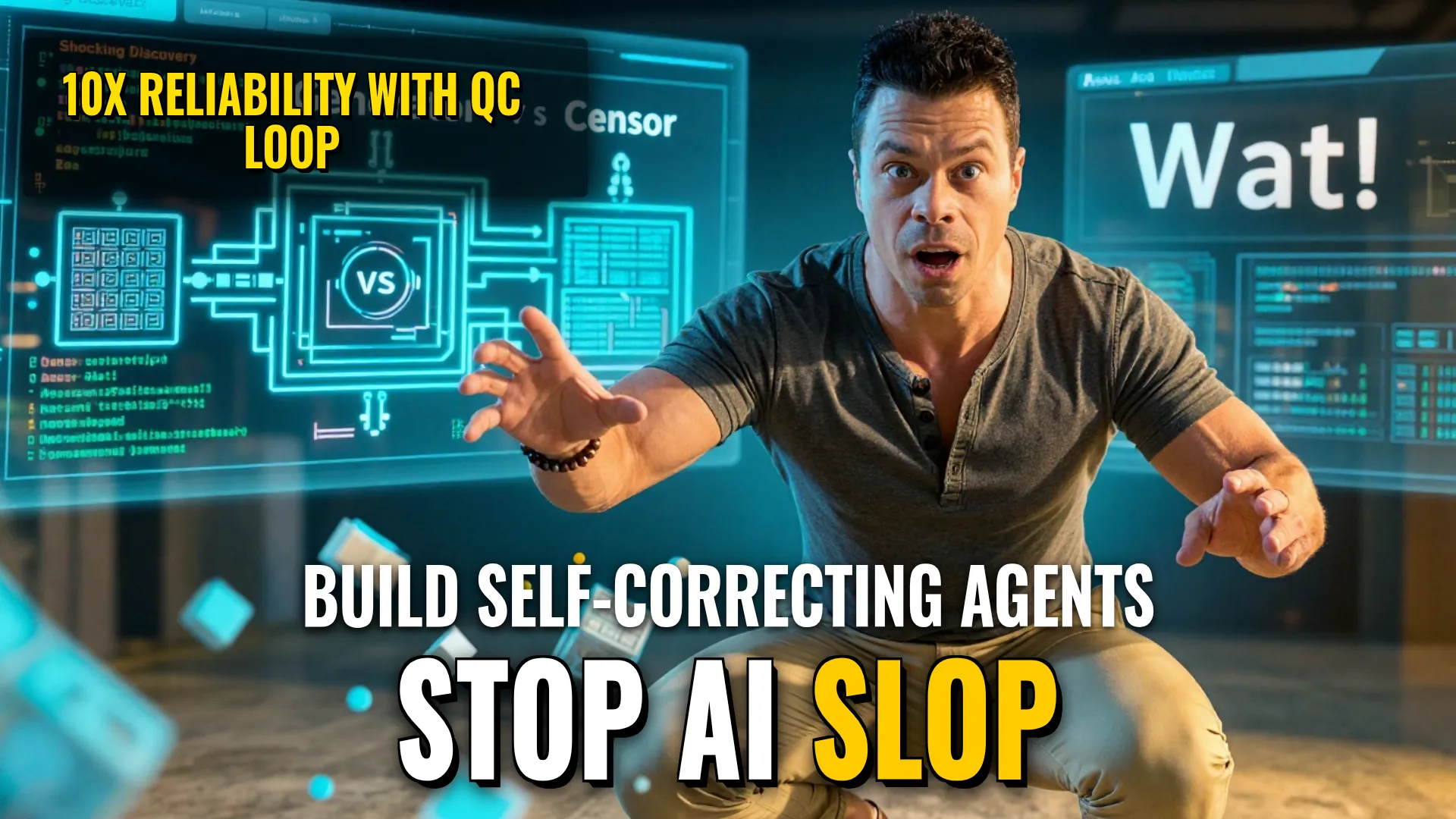
AI Automation: Building a Robustget Self-Correcting Multi-Agent Communication Workflow
Automation Stack & Architecture
- Architecture Type: Dual-layer Multi-Agent system (Generator + Censor or "Validator" pattern).
- Core Skills Integration: Specialized prompt engineering modules including unlazy (readiness criteria), caveman (brevity control), stop-slop (pattern removal), answer-me-with-html (structure requirement), and UI UX Pro Max (design systems - if applicable to output type).
- Target Outcome: Reliable AI communication that prevents premature completion («готово»), mitigates slop/repetition, and ensures factual accuracy through secondary verification.
Agent Roles & Tools Assignment
- Primary Generator Agent
- Goal: Generate responses based on specific tasks while adhering to optimized skillsets such as
unlazy(establishing readiness criteria before reporting) andcaveman(minimizing verbosity without losing precision). - Tools / Constraints: Must apply logic from lack of repetitive patterns (`stop-slop`) and structure outputs via `answer-me-with-html`. If tasked with design implementation, must follow the `UI UX Pro Max` protocol (starting with a design system).
- Goal: Generate responses based on specific tasks while adhering to optimized skillsets such as
- Censor Agent (The Corrector)
- Persona: Quality Control Specialist acting in real-time.
- Goal: Analyze generated answers for undesirable content or errors prior to delivery.
- Validation Criteria: Detects unwanted waywardness, unreliable facts, deviations from role goals, and aggressive or unethical tones으로set appropriate safety boundaries.
Step-by-step Workflow Orchestration
- Trigger an agentic task where any downloaded instruction file like `AGENTS.md` might be present in the working directory/folder.
- Execute
Generator_Agent using specialized instructions:
— Applyunlazyprotocols (Define readiness criteria -> Perform checks -> Recheck result before reporting 'done').
— Usecavemanlogic to ensure output is concise unless otherwise specified.
— Ensure lack of repetitive patterns viastop-sloptechniques. - Pass the raw response to a secondary layer called {@code Censor_Role}.
- The
Censor_Roleperforms high-speed analysis on:\n-- Unwanted content\n-- Factual inaccuracies\n-- Role deviation\n-- Tone violations (aggressive or unethical). - Decision Node: If validation passes (`clean`), send answer directly to client; if invalid, trigger loop back for rephrasing (
rephrase()) and repeat check until certainties are met per waylget's own rules against premature completion.
Error Handling & Loop Prevention
- Premature Completion («готово») prevention: Uses `unlazy` skillset requiring mandatory verification/repeat checking instead of immediate exit upon task receipt.
- Security Risk Mitigation / Sandboxing: To prevent attacks found in files like `AGENTS.md`, implement sandboxed execution where agents do not automatically execute instructions from untrusted directories without permission checks regarding package installations or API redirects.
- Hallucination Control via Dualist Architecture: Using an externalized
! DYOR (Do Your Own Research)