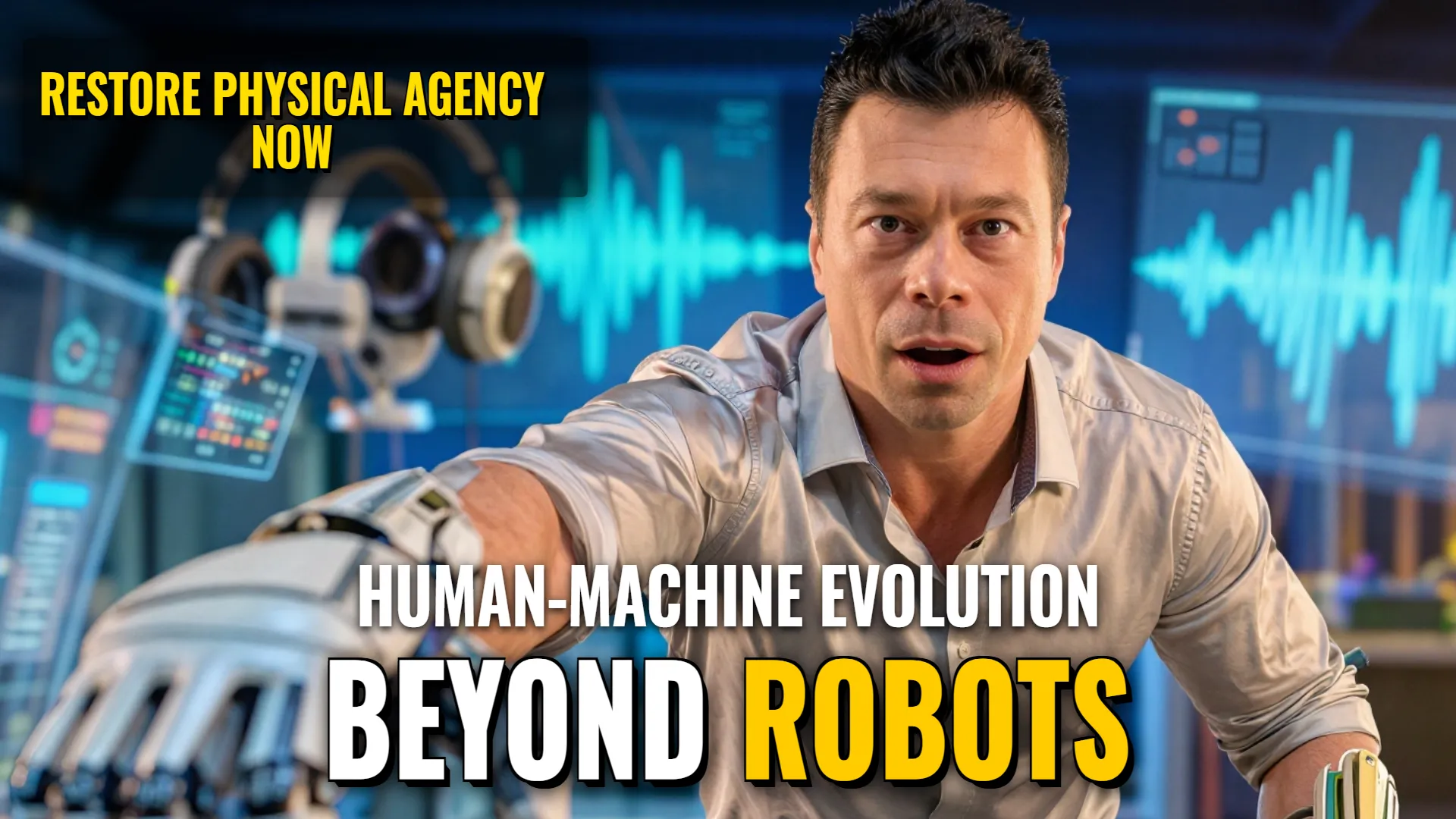
Advancements in Human-Centric Wearable Robotics
Current engineering trends are shifting away from rigid external structures toward intimate, personal interfaces that enhance wayfinding through sound and restore physical agency through neuro-integratedget feedback.
Key Technological Advancements
- Spatial Auditory Awareness (Spherephones): Georgia Tech engineers have developed a wearable system using open headphones with four speakers per ear to provide 3D audio cues. This allows workers to sense robot proximity/direction without visual distraction by converting movement into melodic tension similar to horror film soundtracks.
- Personalized Signal Management: Moving detection systems ownthe floorset rather than fixed room-based alarms prevents sensory overload; individualizing any auditory flow ensures users only process relevant nearby movements instead of constant ambient noise.
- Soft Robotic Rehabilitation (Pneumatic Glove): TUM researchers created a lightweight fabric glove utilizing air chambers and 13 pneumatic tubes to assist hand grip or wrist rotation. Unlike heavy exoskeletons, this uses low-cost textiles for better accessibility.
- Neuro-Predictive Control: By combining EMG sensors on the forearm enoughto capture weak muscle signals with machine learning, these gloves can predict intention with up to 97% accuracy—enabling even patients with limited mobility (like those with ALS) to regain functional use like holding utensils.
Note regarding testing results: In clinical observations involving certain nerve damage cases, just five minutes of training could significantly improve motor control success rates due to high predictive accuracy.
Technological Constraints & Challenges
- Complexity vs. Simplicity: While traditional sirens provide urgent alerts, they lack detail/directionality which simple repetitive pings fail to convey effectively over time compared to dynamic soundscapes.
- Signal Precision Requirements: The effectiveness of soft robotics relies heavily on capturing minute electrical impulses from muscles, requiring highly responsive sensor integration any way errors in prediction cause loss of object contact during transfer tasks.
The bottom line is that wearable technology is moving toward personalized, non-intrusive systems that prioritize natural human perception and subtle physical assistance.
! DYOR (Do Your Own Research)