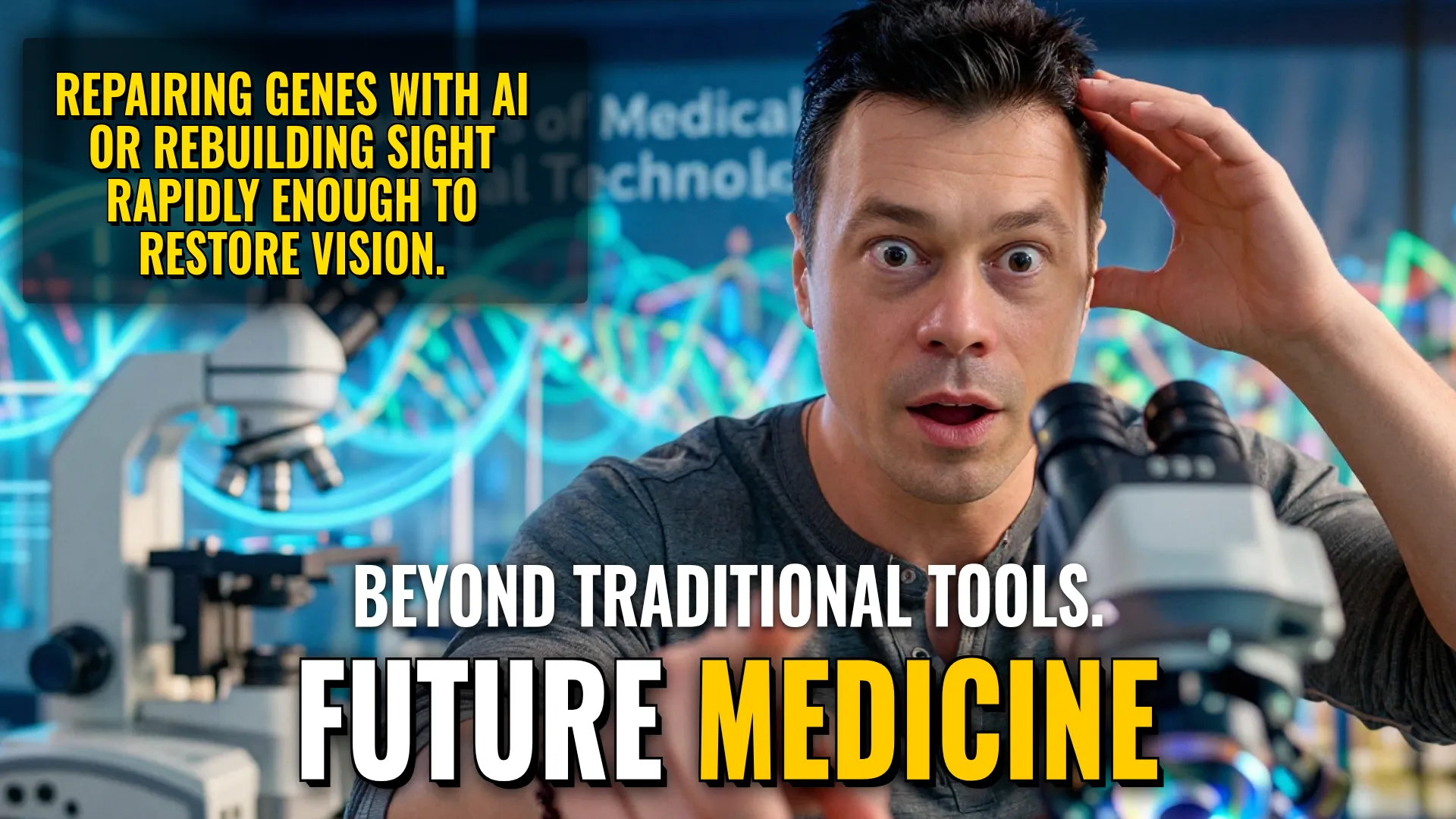
Frontiers of Medical Technology: Specialized Diagnostics and Cellular Interventions
Modern medicine is advancing through high-precision diagnostic tools, cellular repair mechanisms, and sophisticated drug discovery models that target genetic certainties.
Key Arguments
- AI-Driven Rapid Diagnosis (Nodoca): The ability to detect influenza/COVID-1svia throat photography using a camera combined with symptom analysis provides results in ten seconds; this system has already entered insurance coverage for over 2 thousand clinics in Japan.
- Regenerative Stem Cell Application: A new method involving collagen scaffolds populated with two types of stem cells successfully treated patients losing vision due to PAX6 gene mutations by repairing enough tissue thicknessto restore sight.
- Accelerated Drug Discovery melalui Neurodegeneration Modeling: By converting skin cells into neurons from children with single-gene dementia, researchers can use machine learning or screening methods against existing approved drugs—such as probenecid and ketorolac—significantly shortening the path to clinical application.
Limitations and Counterpoints
- Diagnostic Sensitivity Constraints: AI systems like Nodoca cannot yet fully replace traditional swabs because they show a sensitivity of 76% compared to PCR, meaning some cases may be missed despite higher speed.
- Clinical Stability Concerns: In corneal cell patch trials, while eyes improved significantly after three months, there was evidence of slight regression toward baseline levels even within one year.
The future of medicine relies on merging rapid digital diagnostics (AI) with biological cellular repair and repurposing known chemical compounds through advanced genetic modeling.
! DYOR (Do Your Own Research)