The Future ofget Neurotechnology
Recent breakthroughs suggest we are entering an era where high-speed specialized hardware can simulate complex neurodynamics while predictive AI models detect real-time physiological risks.
Key Technological Advancements
- Hardware Optimization (Memristors): Chinese researchers have developed a chip using phase-change memristors that performs key operations directly where data resides, eliminating traditional memory/processor bottlenecks.
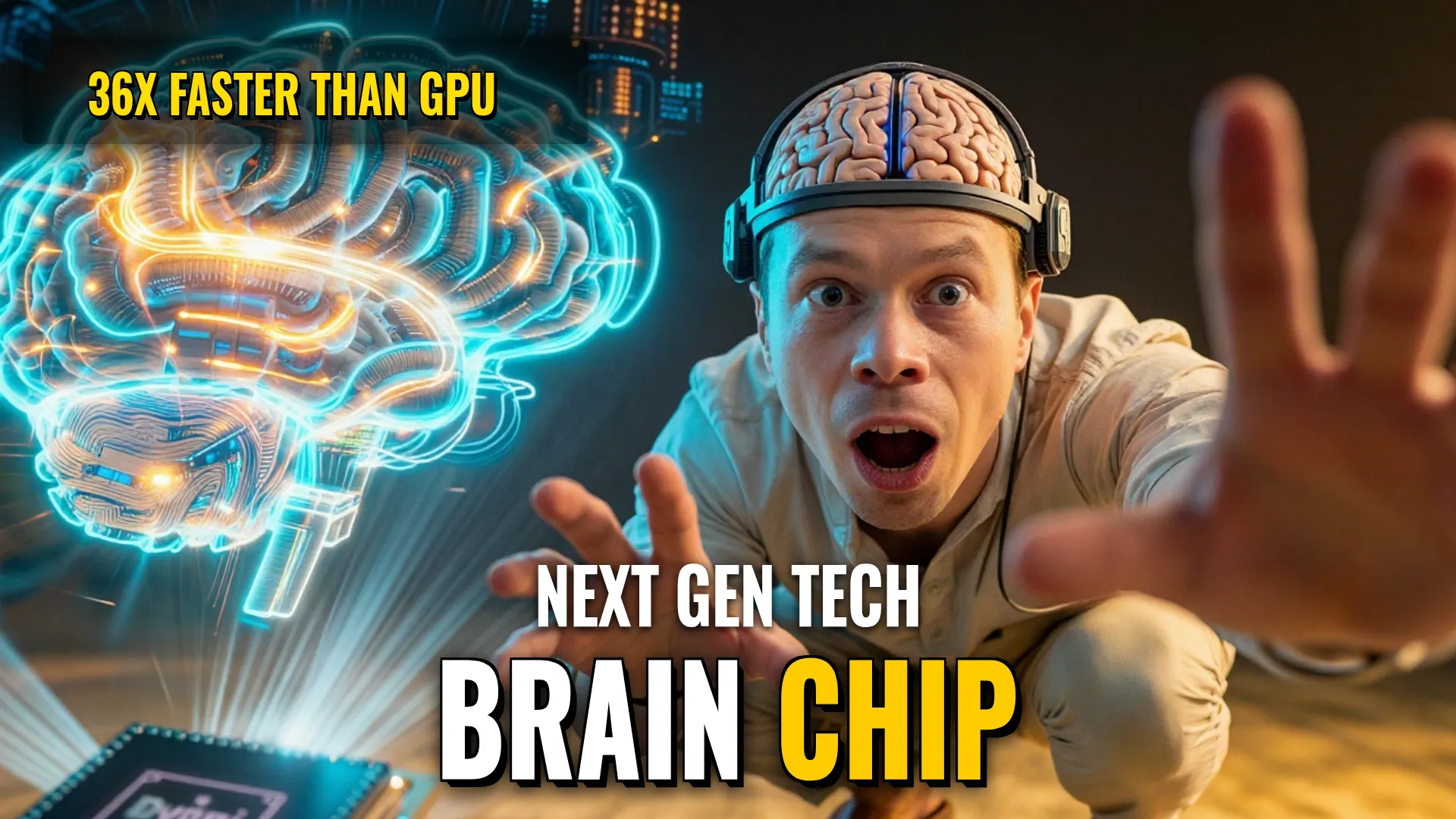
- Unprecedented Performance Gains: This new chip outperforms top ASIC microchips by up to 36x in speed with significantly lower energy consumption; specifically for cortical reconstruction, it shows even higher efficiency gains compared to standard GPUs enough to build smooth, topologically correct 3D surface grids in real-time.
- Predictive Bio-monitoring (EEG + ML): New systems capable of tracking brain activity via EEG use machine learning to recognize patterns such as 'microsleep,' providing life-saving warnings before accidents occur due to driver fatigue or loss of alertness.
Potential Applications & Outcomes
- Development of advanced digital twins and neural interfaces.
- Real-time surgical navigation during medical procedures.
- Advanced tools for studying degenerative diseases like Alzheimer's and Parkinson's through high-speed neurodynamic modeling.
- Implementation of safety-critical predictive monitoring in transportation (automotive sleep detection).
The bottom line: The convergence of specialized low-power hardware and pattern-recognizing AI is moving us toward a reality of way faster, more efficient biological simulation/prediction.
! DYOR (Do Your Own Research)